Learn.
Create.
Communicate.

As the original form of social media,

DATV provides the training, equipment and facilities

for local people to create their very own non-commercial local cable TV programs.

Last year alone DATV’s 400 plus members created

over 4,900 new local tv programs for and about Dayton. 

2026 Bowling Fundraiser

Bowling Fundraiser Benefiting DATV.org

April 18th, 2026 @ 1PM

Strike & Spare Capri Lanes
2727 S. Dixie Dr.
Dayton, OH 45409

25$ REG
5
0/50 Raffel + Prizes

What We Do

Our mission is to serve as a community forum that empowers all people to learn, create, and express their ideas through electronic media.

Our vision for Dayton Public Access Television is to amplify the diverse voices within our community by providing a platform for creative expression, education, and civic engagement. We strive to be a trusted hub for community storytelling, a catalyst for building philanthropic ideas, fostering inclusivity, collaboration, and meaningful connections that enrich the lives of all Daytonian through electronic media.

Learn

DATV provides various
workshops that teach you how to produce your own
local cable
TV programs.

Create

Join DATV today and start your journey to creating your very own non-commercial cable TV programs, web programs, and podcasts. 

Communicate

DATV is a nonprofit 501(c)(3) organization that, since 1978, has given Dayton the “Freedom to Communicate.”
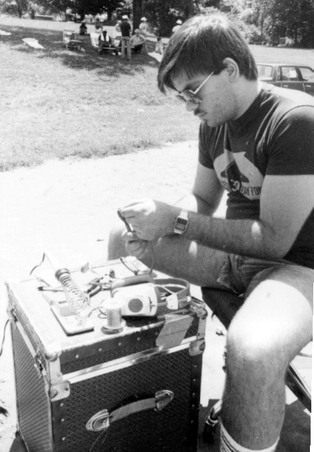
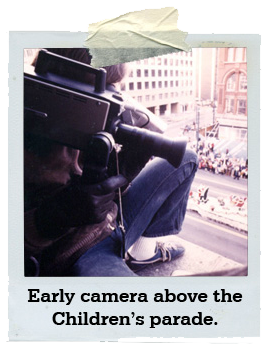
DATV History

Giving Dayton the “Freedom To Communicate” since 1978

Dayton’s Community Voice
Giving Dayton the “Freedom To Communicate” since 1978

In 1978 Americans were going to the movies to see John Travolta and Olivia Newton-John in “Grease.” A peanut farmer from Plains, Georgia named Jimmy Carter was the President. And future NBA star Kobe Bryant was born.

Another significant day that year was March 1st, 1978, when DATV, then Access-30-Dayton, began cablecasting on Viacom cable in the City of Dayton. At that time cable television was in its infancy and many different types of programming ideas were beginning to form. It was not even until the next year on September 7th, 1979 that another network with the then crazy idea of 24 hour sports programming named ESPN was born.

Access television would be unique, not meant to compete directly with commercial television, but to serve as a community forum and public gathering place on TV where views could be expressed, ideas exchanged and local information communicated to viewers.

The idea of “Access” television in Dayton began  in 1977.  When Roxie Cole had the foresight and a grant from the Ohio Board of Regent to help create DATV (Dayton Access Television). The staff consisted of one, Cole, and the budget was $39,000 in cash and $50,000 worth of television equipment.
Compared to commercial television the funding was small, but it was a start.  And on March 1,1978, operating from one room in the basement of Roberts Hall at the United Theological Seminary, DATV, went live into cable TV homes around Dayton.

March 1978

The birth of a strong tradition of public access in the city of Dayton began in 1977Roxie Cole had the foresight and with a grant from the Ohio Board of Regents, DATV (Dayton Access Television) was created. The staff consisted of one, Cole.

The budget was $39,000 in cash and the inventory was $50,000 worth of black and white television equipment. It was a start and on March 1,1978, operating from one room in the basement of Roberts Hall at the United Theological Seminary, DATV, which at that time was called Access 30 Dayton, went “on-the-air.”

April 1979

Two strong forces served as catalysts for the growth of public access television in Dayton. One was Roxie Cole.  Cole became Executive Director and managed the organization for the next thirteen years.  The second force was a nine-member Board of Trustees. 

This board was chosen from a cross section of citizens living in the city. It was their vision and community commitment that helped Cole develop policies, procedures and the encouragement needed in order to form the basis of an award winning public access television station. On April 4, 1979, Dayton Public Access Television, Inc. (dba DATV) was incorporated as a nonprofit, 501© (3) organization in the State of Ohio.

January 1983

For approximately six years the building known as the “White House” on the grounds of the Seminary was home to public access. In 1983 DATV moved into the rear of the Viacom Cable building at 275 Leo Street. 


March 1992

On March 1st, 1992 Access-30-Dayton changes its name to DATV, Dayton Access Television.

The name change coincides with its channel relocation to channel 20 from its previous location channel 30.


November 1992

After fifteen years of using other people’s facilities, DATV purchased their own building at 280 Leo Street, directly across from the cable building.  On Monday, September 14, 1992, at 3 PM DATV volunteer Clarence Hogan aired the first show, Dayton Black Unity Performers from that facility.

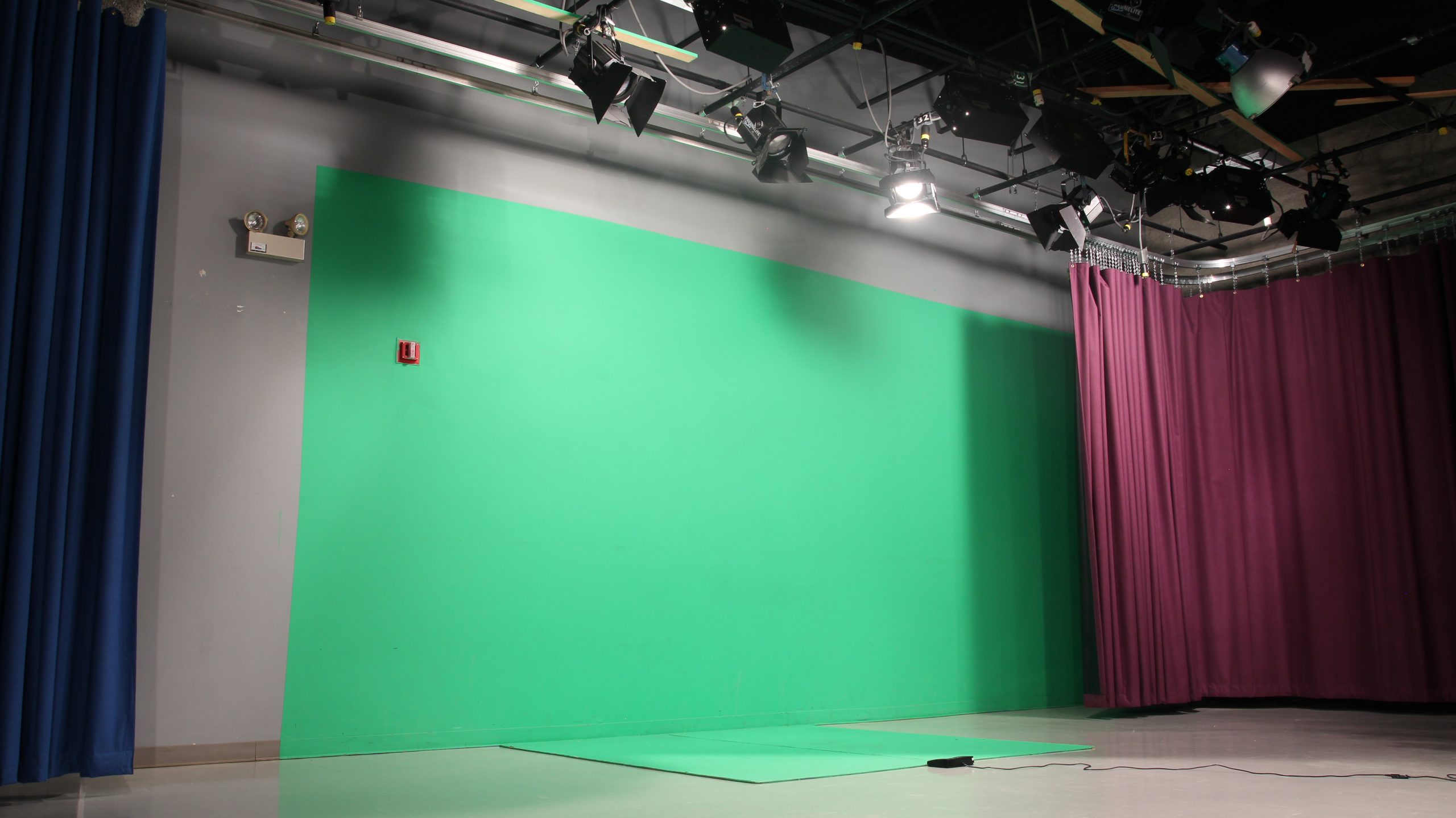
The white building, with blue lettering, is a renovated 10,000 square foot building. It has a 40X50 studio, four edit suites, internet kiosk, volunteer lounge, conference room, administration offices and a training room. The total price tag for this state of the art television facility geared toward the Dayton community was nearly $700,000. But when it was completed, it gave the citizens of Dayton the Freedom to Communicate by becoming volunteer/producers and creating their own non-commercial television programs.

The inventory has grown from black and white cameras to top of the line digital cameras.   Producers now have the capability to edit from digital to SVHS, do A/B rolls, use an Avid non-linear edit system or the Trinity editing system which includes the titling software, Titlewave. The second Wednesday of each month free orientations are given to any local citizen who desires to become a volunteer/producer at DATV.

DATV has advanced to seven full time staff members and six part time employees whereas Access 30 had only one. The nine member Board of Trustees has been expanded to eleven members who represents a broad spectrum of the Dayton community. And DATV has moved from Channel 30 to Channel 20. 

June 1995

DATV becomes the first local TV station to have its own website when it debuts www.datv.org.


October 1995

DATV becomes nationally recognized by awards won by the staff and by their involvement in the regional and national Alliance for Community Media.  In 1995, DATV hosted the Alliance for Community Media’s Regional Conference and Philo T. Farnsworth Video Awards held at the Dayton Marriott Hotel.  Public, Educational and Government (PEG) access channels staff, producers and volunteers from Ohio, Indiana, Michigan and Kentucky participated in a three day conference. 


April 1998

In April of 1998 DATV Executive Director Francine Rakel resigned after 7 years. During her tenure DATV saw the opening of its Community Media Center, was named a finalist for the Community Communications Awards for Public Access, launched its web site in 1995, and was named recipient of the Alliance For Community Media’s highest programming honor which is the Hometown Award for Overall Excellence in Public Access Programming.

July 1997

During 1997 the programming seen on DATV was judged to be the best in the nation in the large access center category and was honored by the Alliance for Community with the Hometown Video Festival Award for Overall Excellence in Public Access Programming. 

January 2003

In 2003 DATV celebrated its 25th Anniversary of “Giving Dayton The Freedom To Communicate”.  As part of this celebration DATV buried a time capsule that is set to be opened on March 1st, 2078 in honor of DATV’s 100th Anniversary.
       

February 2006

DATV Executive Director John Rocco resigned his position effective February 3rd 2006. John was offered the unique opportunity to help build the future of Public Access Television in the City of Charlotte North Carolina at the Charlotte Mecklenburg Public Access Corporation. During his tenure at DATV, both DATV and the City of Dayton have been recognized nationally for their outstanding work in the field of Public Access Television. Dayton serves as a model of citizen participation and it is this type of community involvement that many cities hope to emulate.
     

July 2006

DATV’s Board of Trustees announced the selection of DATV’s new Executive Director. After a nation wide search, Rick Hayes was chosen to lead DATV beginning on July 1st.

Hayes is no stranger to Dayton or DATV. He served as DATV’s (then Access-30-Dayton) Operations Manager from 1986 until 1987 under DATV’s founding Executive Director Roxie Cole. Hayes was only the fourth Executive Director in DATV’s 28 year history. He replaced John Rocco who left DATV in January to become Executive Director of the Charlotte Mecklenburg Public Access Corporation in Charlotte, North Carolina.

January 2008

DATV celebrates 30 years of “Giving Dayton The Freedom To Communicate”. DATV’s first program was televised on March 1st, 1978.

March 2008

DATV holds its first ever Telethon. The program features dozens of local acts and celebrities who volunteered their time to help raise money to support DATV.

May 2008

DATV Executive Director Rick Hayes resigns.

August 2008

DATV Operations Manager Steve Ross was named as DATV’s new Executive Director by its Board of Trustees at its meeting held on Monday, August 11, 2008.Ross had previously served as Operations Manager for the past 19 years.

Ross will be the 5th Executive Director in the thirty year history of DATV. He was originally hired by DATV’s founder and first Executive Director Roxie Cole. “Roxie taught me what a tremendous impact that Public Access television can have in the community,” said Ross. “Her love and passion for DATV still lives on in the hearts of our nearly 500 members.”

January 2013

DATV signs a new 10 year contract with the City of Dayton to provide community media services.

June 2014

DATV expanded its programming reach into Dayton’s northern suburbs on Time Warner Cable  on Tuesday, June 10th. DATV will be filling the void left by the closing of CAC which was previously operated by Time Warner in the northern viewing area.

December 2014

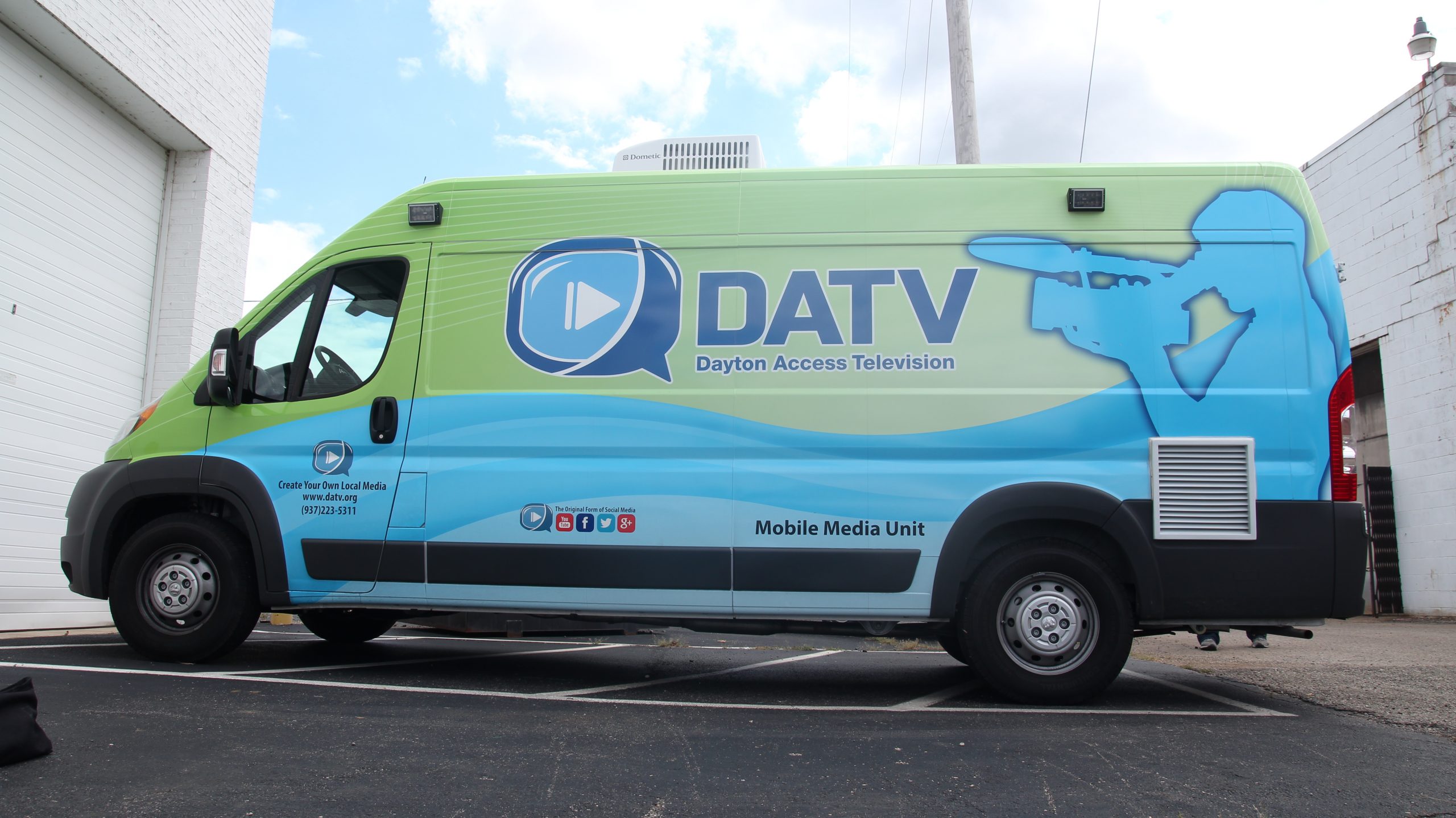
DATV’s new mobile production truck debuts.

PROTECTING COMMUNITY TELEVISION ACT
(HR 6219/S 3361):


WHY THIS LEGISLATION IS NEEDED

The FCC’s 2019 Franchise Fee Order redefines the federal Cable Act’s 5% franchise fee to include the value of most non-monetary franchise obligations as franchise fees. This change allows cable companies to reduce what they pay for the use of public property and rights-of-way. The Protecting Community Television Act (HR 6219/S 3361) corrects this error by clarifying franchise fees are only monetary.


BACKGROUND

The Cable Act protects the rights of a local community to charge cable companies a five (5%) percent franchise fee and to meet community needs and interests, such as providing public, educational and governmental channel capacity. Contrary to industry practices that date to the 1980s, the FCC’s actions could result in reducing cable operators’ monetary compensation to towns and municipalities that wish to communicate with residents through community television. The FCC Order could force communities to choose between franchise fees or communicating with residents through community media that provide Americans with community, local civic, public safety and public health content.
The Protecting Community Television Act (HR 6219/S 3361) clarifies that only monetary payments, not non-monetary franchise obligations, qualify as Cable Act franchise fees and are subject to a fee cap. Without it, a cable operator could create fees to drain away municipal revenues and pressure municipalities to give up or de-staff channels.
The bill is authored by Senators Ed Markey (MA) and Tammy Baldwin (WI). Rep. Anna Eshoo (CA) and Pete DeFazio (OR) are the House authors. As of March 21, the bill has 15 co-sponsors in the Senate and 33 co-sponsors in the House.


CONTACT INFORMATION

For further information, contact

Randy Phillips, executive director, Dayton Public Access Television, Inc.
Mike Wassenaar, Alliance for Community Media
Asad Ramzanali, Office of Rep. Anna Eshoo
Bennett Butler, Office of Sen. Edward Markey

Our Staff
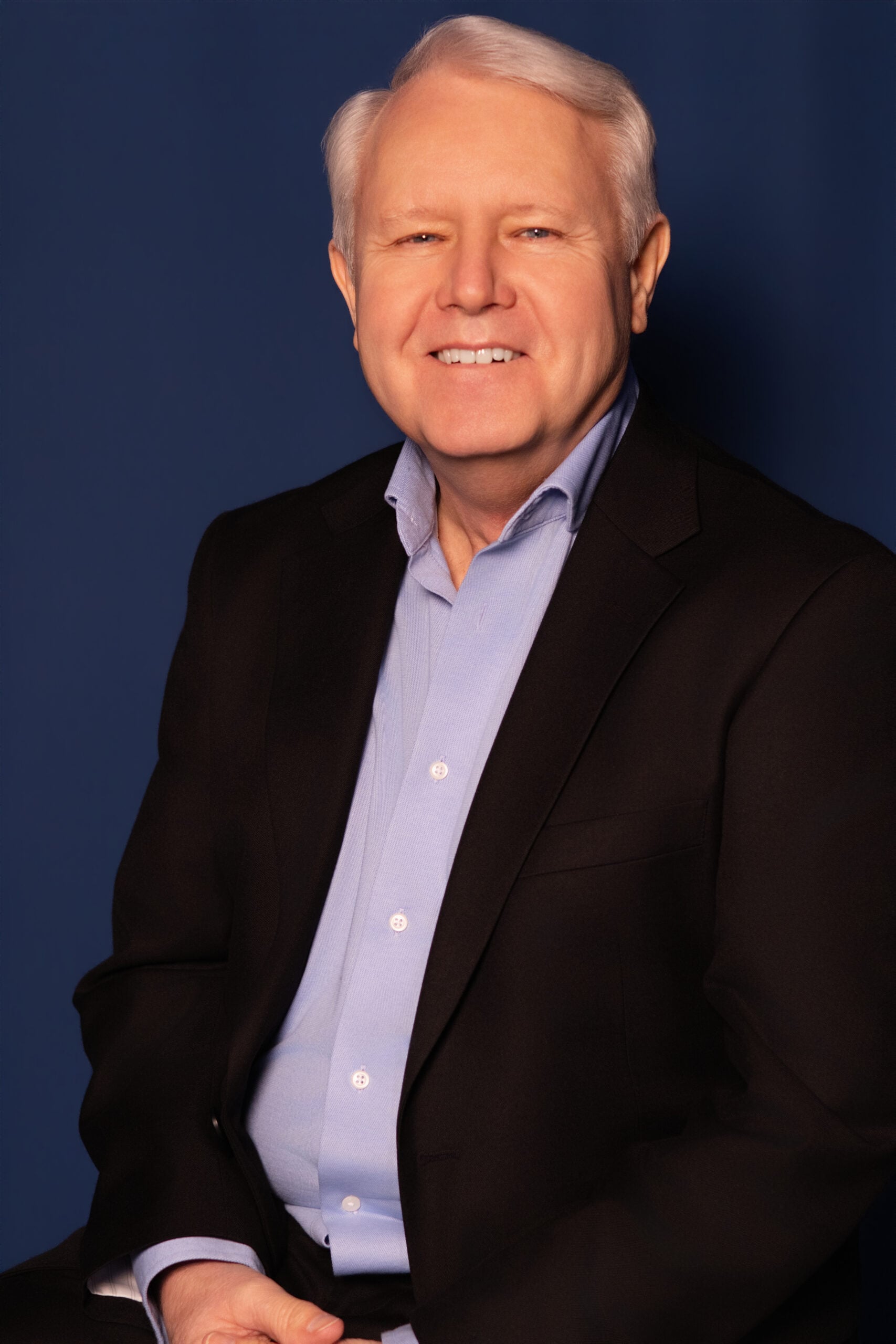
Steve Ross

Randy comes to DATV from the Non-Profit sector where he served as Executive Director of a local non-profit organization where equality for all, was at the forefront of their mission. While Randy is new to the role of Executive Director at DATV, he is not new to DATV. Randy is an award-winning producer/director and member of DATV for over 20 years. He has served as a board member of DATV for the past 9 years and 3 years as board chair. We welcome him as the Executive Director of Dayton Public Access Television.
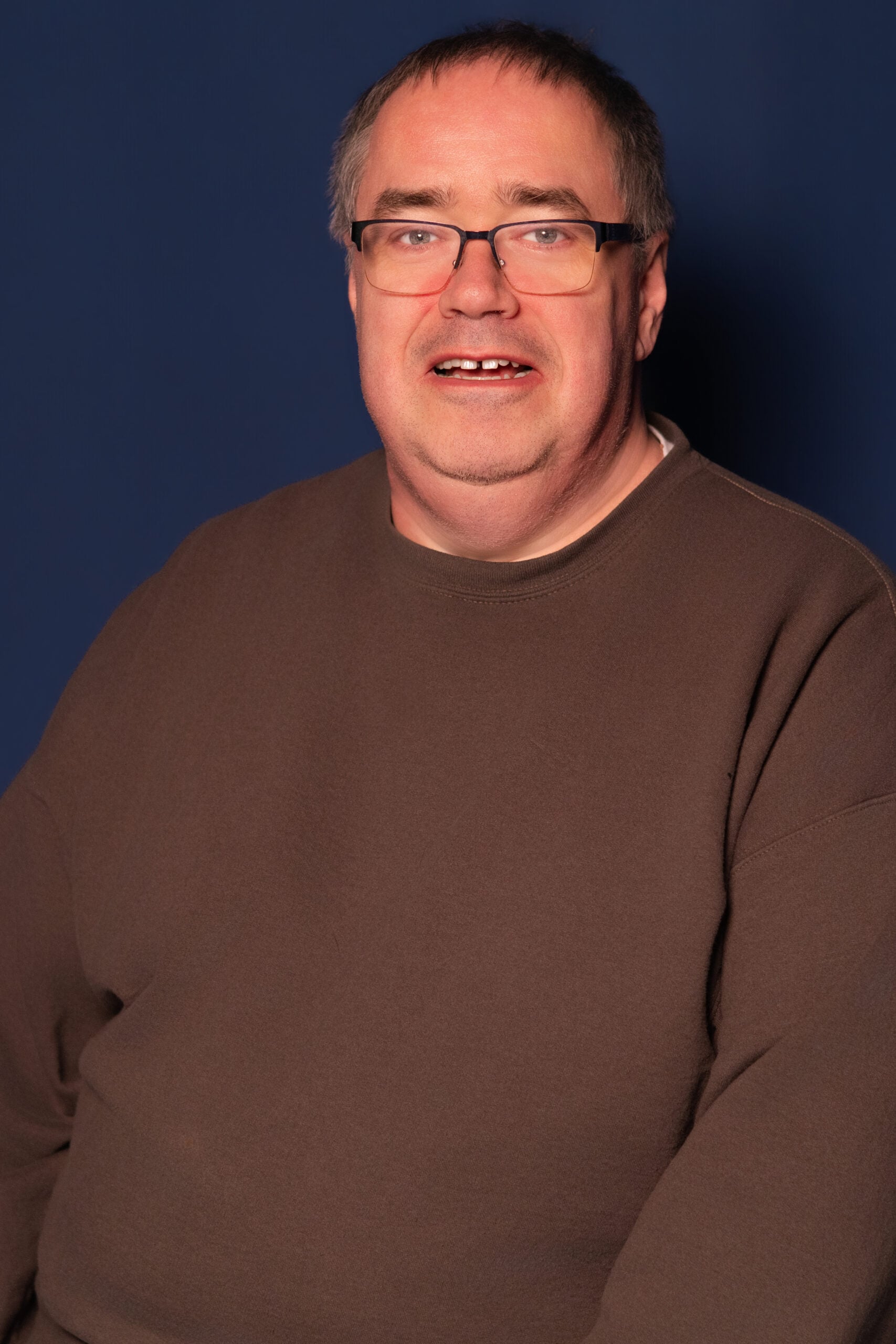
Dale Grow

Dale started as a volunteer producer for Dayton Access Television in 1995. He was hired on as a full time Production Assistant a couple of years later.  Dale has worked in a freelance capacity for ESPN, The Nashville Network and Fox Sports Ohio. 
 Eric Widing,

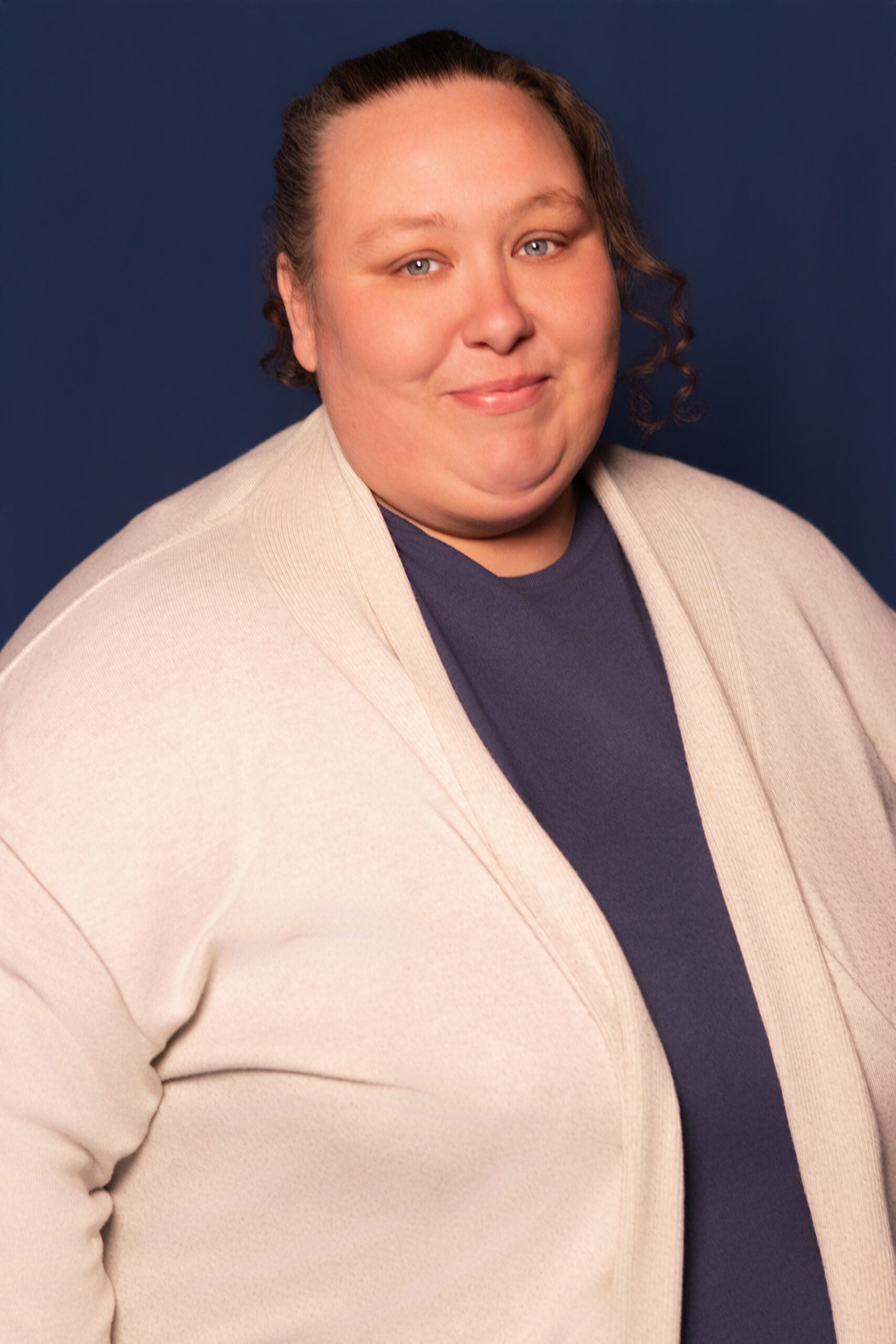
Leslie Mitchell

Program Director

Leslie began with DATV in 2022 as a religious producer for Dayton Spiritual Television, quickly finding her place while expanding her skills through the many classes DATV offers. Her passion for learning led to a part-time staff position in 2023, where she began teaching the very classes she had once taken herself. In December 2025, Leslie accepted the
full-time role of Program Director and now oversees programming for both DATV and DSTV, Dayton Spiritual Television.
 Eric Widing,

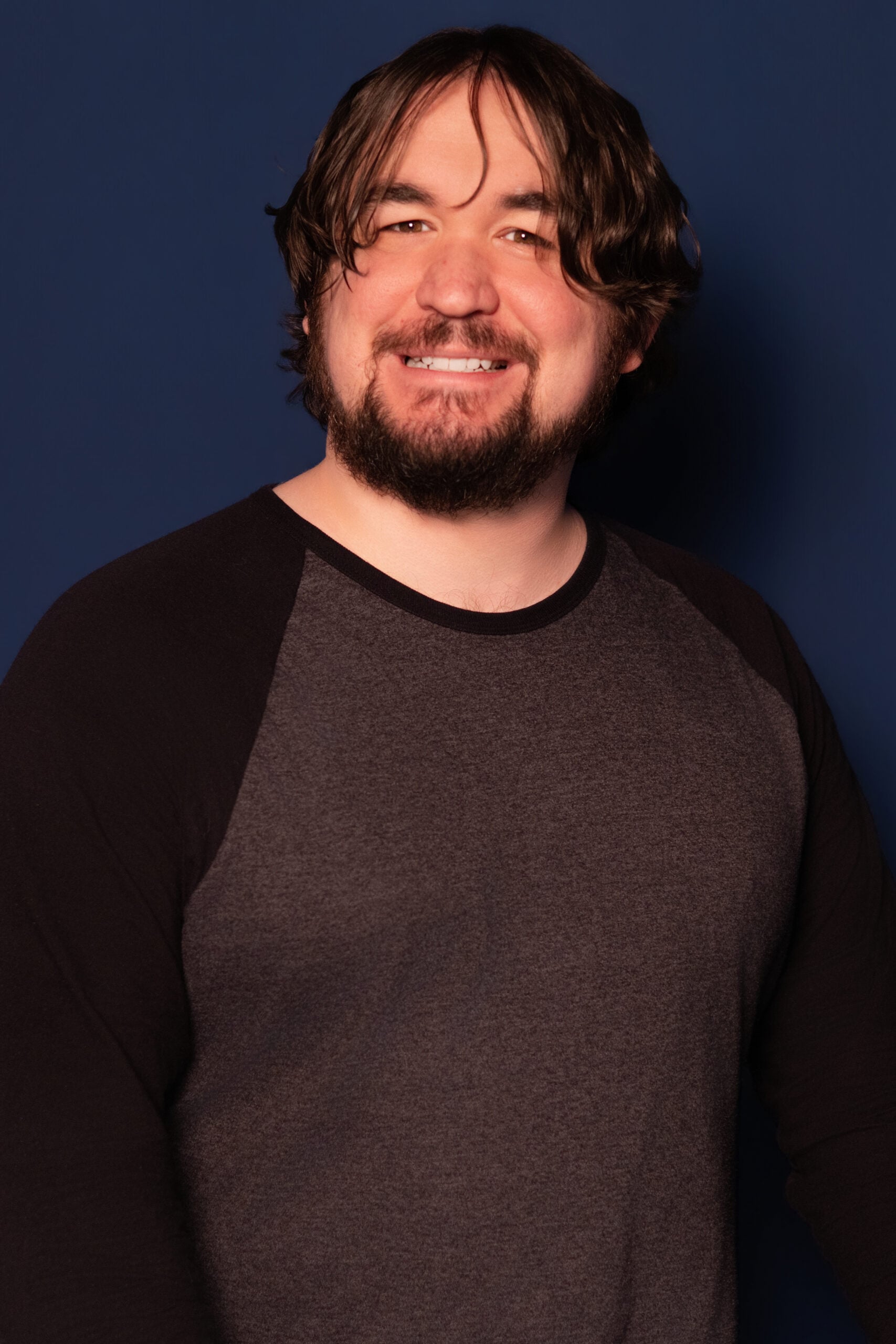
Jason Stiver is a pretentious filmmaker who graduated film school in 2017, eventually stumbling into a job with DATV in 2021 and becoming full time in 2025. He’s known for his award-winning goatee and some work in local film. Before that, he was known for acting in the Ohio Renaissance Festival and performing improv in college.

Denise Davis

Production Assistant

Elizabeth Delaney

Production Assistant

Our Board of Trustees

“DATV is a community forum that empowers all citizens to learn, create and express their ideas through electronic media.”

Board Chair
Marlese Durr
Wright State University
Board Secretary
Jodi Owens
PNC Bank
Members
Rev. William Harris, Jr.
Pastor, Belivers Christian Fellowship
Kathleen Caffrey
Community Volunteer
Erica Fields
Learn 2 Earn
Randy Phillips
Executive Director DATV
Vice – Chair
Joyce Willis
Educator and Community Volunteer
Board Treasurer
Maggie Barlow
Dayton Business Communications
Lisa Grigsby
Film Commissioner – Film Dayton
R. Carl Shofner
Community Volunteer
Jean de Dieu Mukunzi
Ebenezeir Health Care Access
Mayor Jeffery Mims, Jr.
Mayor City of Dayton
*Affiliations are for identification purposes only.

(DATV’s Trustees are appointed for three year terms. Membership is by application to, and approval of, the trustees in accordance with DATV’s Constitution.)